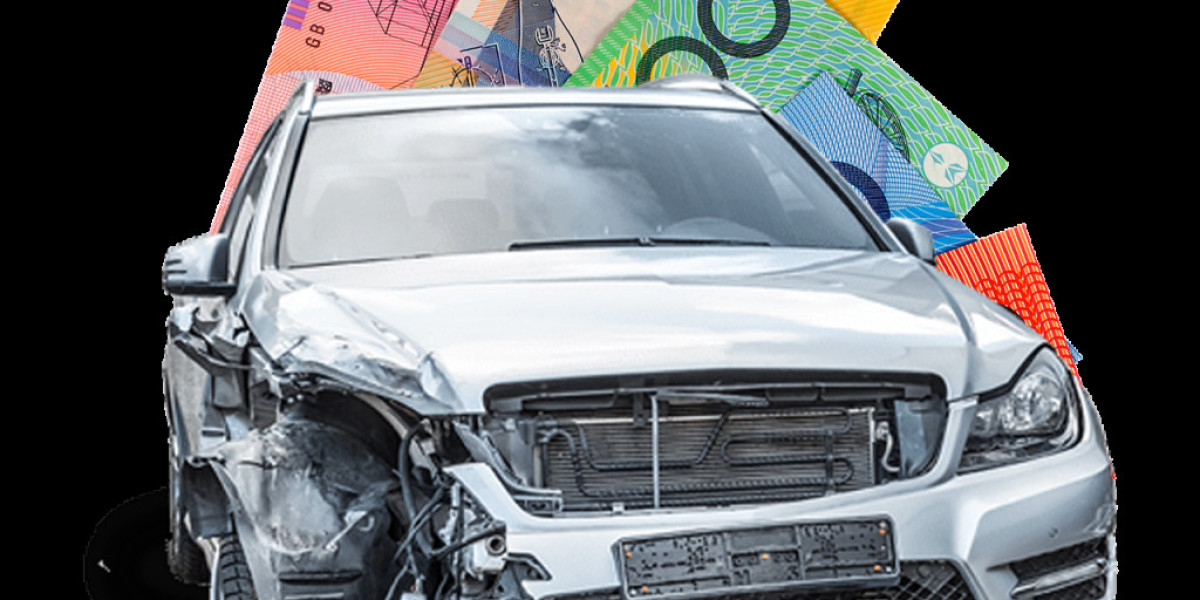

Selling a scrap car can feel confusing when the process is not clear. Many car owners keep damaged or unused vehicles parked for months. These vehicles take space and continue to lose worth over time. Scrap cars still hold material value, even when they no longer run. With the right steps, owners can complete the sale without delay and avoid common mistakes.
We explains how scrap cars for cash melbourne are valued, what documents are needed, and how to prepare a vehicle before sale. It also covers legal points that matter in Victoria. Each section focuses on practical actions that car owners can follow with confidence.
What Is a Scrap Car
A scrap car is a vehicle that can no longer be used on the road. It may have engine failure, heavy body damage, or mechanical issues that cost more to repair than the vehicle is worth. Some scrap cars fail roadworthy checks. Others have been written off after an accident or flood.
Even when a car no longer drives, many parts still contain metal and reusable components. Steel, aluminium, copper, and other materials can be reused. This is why scrap cars still attract buyers.
Why Scrap Cars Still Have Worth
Scrap vehicles are broken down into parts and raw materials. Metal from the body and frame is melted and reused. Batteries, tyres, and fluids are handled through proper disposal methods. Some parts may also be resold if they are in usable condition.
The value of a scrap car depends on several factors. These include vehicle weight, metal content, make, model, and overall condition. Larger vehicles often contain more metal, which can raise the payout amount.
Factors That Affect Scrap Car Prices
Scrap car prices change based on market conditions. Metal demand plays a major role. When demand for recycled metal rises, payouts also rise.
Other factors include:
- Vehicle weight
- Type of metal used in the car
- Condition of the body and frame
- Missing or damaged parts
- Location of the vehicle
Cars with complete bodies often receive higher offers than stripped vehicles. Vehicles with missing engines or gearboxes may receive less.
Documents Needed Before Selling
In Victoria, proof of ownership is important. The most common document is the vehicle title or registration papers. These show that the seller has the legal right to sell the car.
If registration has expired, the vehicle can still be sold. Identification may also be requested. A driver licence or photo ID is usually enough.
Before arranging collection, remove personal items from the vehicle. Also remove number plates if required.
Preparing a Scrap Car for Sale
Preparation helps avoid delays. Start by clearing the car of personal belongings. Check the boot, glove box, and under seats.
Drainage of fluids is often handled by the buyer. Still, informing the buyer about leaks or hazards helps the process move forward.
Make a clear note of the car condition. Mention damage, rust, missing parts, or mechanical issues. Honest details help set clear expectations.
Choosing the Right Time to Sell
Scrap metal prices can change during the year. Construction demand, export rates, and fuel costs influence prices. While timing the market can help, holding a scrap car for too long can reduce value due to rust and further damage.
Selling once the vehicle is no longer useful often leads to better outcomes. A stationary car continues to lose condition over time.
Understanding Vehicle Removal
Most scrap cars do not drive. Towing or removal services are used to collect them. This saves the owner time and effort.
Clear access to the vehicle is important. Remove obstacles such as locked gates or parked cars blocking entry. This helps the driver load the vehicle without delay.
Environmental Responsibility
Old vehicles contain fluids and materials that can harm the environment if not handled correctly. Oil, coolant, fuel, and brake fluid must be disposed of safely. Scrap car processing follows set procedures to prevent pollution.
Recycling metal also reduces the need for new mining. This lowers energy use and reduces waste.
Common Mistakes to Avoid
Some sellers accept the first offer without checking details. Others provide unclear information about the vehicle condition. These mistakes can cause delays or payment disputes.
Avoid these issues by:
- Giving clear vehicle details
- Confirming ownership documents
- Checking removal arrangements
- Asking how payment will be handled
Clear communication helps the sale move forward without issues.
Selling Scrap Cars for Cash in Melbourne
Many car owners look for a direct way to sell scrap cars for cash when a vehicle reaches the end of its life. This option suits cars that no longer run or fail inspection checks. Instead of leaving the vehicle unused, owners can arrange collection and receive payment at the same time.
One option available in Melbourne is explained at https://melbournecash4carz.com.au/sell-my-car-melbourne/. The page outlines how scrap vehicles are assessed, how removal works, and what information sellers need to provide. This approach suits owners who want a clear path from first contact to final collection, while keeping the process aligned with local rules and recycling practices.
Legal Points to Keep in Mind
Selling a scrap car requires compliance with Victorian laws. Ownership transfer must be recorded. Registration authorities may need to be notified once the vehicle is sold.
If the car still has active registration, cancellation may be required. This can prevent future fees or issues. Always confirm that the sale is recorded properly.
How Long the Process Takes
The time needed to complete a scrap car sale depends on preparation. Cars with clear documents and access are collected sooner. Providing accurate details at the start reduces back and forth communication.
Once collected, payment is issued as agreed. Most sellers complete the entire process within a short time frame when all details are ready.
Final Thoughts
Scrap cars still hold value, even when they no longer serve a driving purpose. Understanding how pricing works and what steps to follow helps owners make informed choices. Clear details, proper documents, and safe removal methods play a key role.
By taking the right approach, car owners in Melbourne can clear space, meet legal duties, and ensure materials are reused through proper recycling channels. This keeps the process clear and helps vehicles reach their final stage without delay.