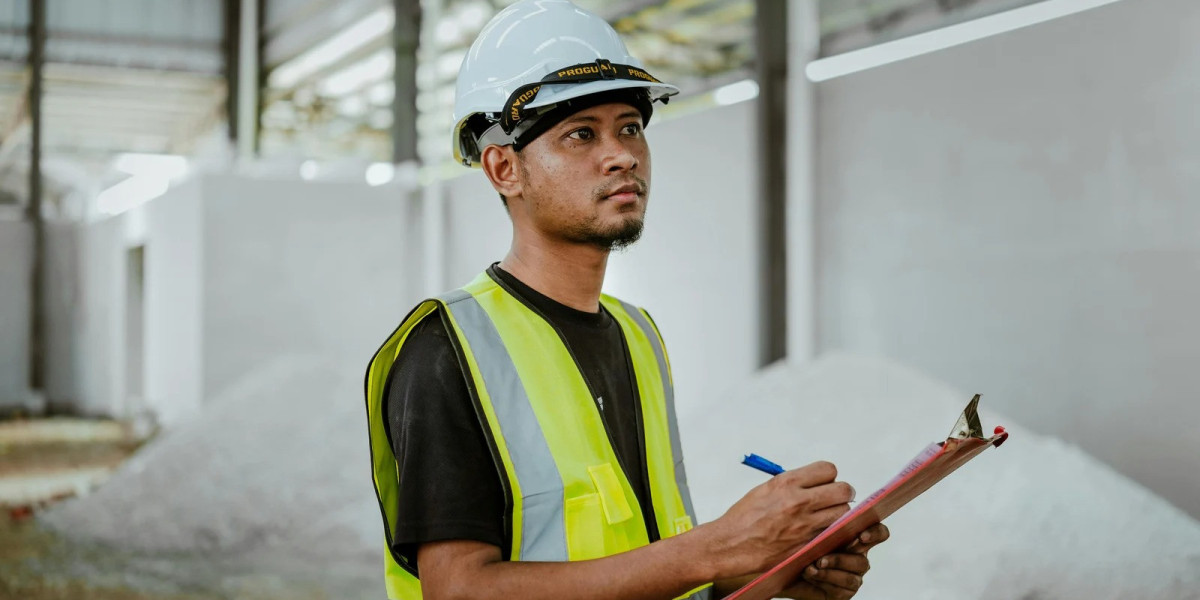

A safety checklist is an essential tool in construction that helps ensure the protection of workers, compliance with safety regulations, and the smooth running of a project. By systematically addressing potential hazards before they become accidents, safety checklists provide a clear framework for safety inspections at every stage of construction. These checklists cover everything from equipment inspections to personal protective equipment (PPE) checks and emergency procedures.
Whether used by project managers, safety officers, or construction workers, a safety checklist promotes accountability, reduces the risk of injury, and helps meet regulatory requirements. Implementing a thorough safety checklist is a proactive approach that ensures the safety of everyone involved in the construction process.
Introduction to Safety Checklists in Construction
A safety checklist is a detailed guide that helps ensure that all safety procedures are followed at a construction site. It covers everything from personal protective equipment (PPE) to machinery inspections. By using these checklists, construction teams can avoid accidents, reduce risks, and meet legal safety standards.
The purpose of these checklists is not just to follow rules but to create a safety culture on-site. Every task is accounted for, and no steps are skipped. Workers and managers can review and document everything from equipment status to environmental hazards. This helps prevent injuries and ensures that the job site remains compliant with safety regulations like OSHA standards.
Why Construction Safety Checklists Are Essential
Safety checklists in construction are essential for several reasons. First, they help ensure that safety measures are consistently followed. For example, regular equipment inspections or proper fall protection can reduce the risk of accidents significantly. Second, they provide a clear record of safety practices. This documentation can be vital during audits or investigations.
Without safety checklists, it’s easy to miss crucial safety steps, especially during busy or high-risk phases of construction. By implementing these checklists, you’re ensuring a proactive approach to safety, which is far more effective than reacting to accidents after they happen.
How to Implement a Safety Checklist: Key Phases
A safety checklist needs to be tailored for each stage of the construction process. Each phase involves different tasks and risks, and each one requires a customized checklist to address those specific needs. The general rule is to ensure that safety is integrated into every step, from the pre-construction phase to project completion.
Implementing a safety checklist across all phases helps in identifying risks early. These checklists are used daily or weekly, depending on the task, ensuring that all safety measures are in place before work begins. Below, we will go over the specific checklists for each phase of construction.
Phase 1: Pre-Construction – Laying the Groundwork for Safety
Before construction even begins, a safety checklist is essential for planning. This phase involves setting up safety measures such as ensuring workers are properly trained, securing necessary permits, and ensuring the site is ready for the construction crew.
Key items to check in the pre-construction phase include:
Risk assessments for potential hazards.
Ensuring that personal protective equipment (PPE) like helmets, gloves, and safety glasses are available.
Verifying all permits and legal documents are in order.
Confirming that all safety training is completed before workers begin.
By laying this foundation, you’re setting the project up for success in terms of safety.
Phase 2: Site Preparation and Excavation Safety Checklist
The site preparation phase includes clearing the land and setting up the initial groundwork. Excavation can be one of the most dangerous tasks in construction, so safety needs to be at the forefront. A checklist for this phase should include items like:
Excavation safety: Ensure that trenches are properly supported to avoid collapse.
Equipment inspections: Verify that machinery, such as backhoes or excavators, is in safe working order.
Hazardous materials: Check for buried utilities or other hidden dangers on the site.
A thorough checklist in this phase will help identify risks before they cause accidents and ensure that the site is secure for all workers.
Phase 3: Framing and Structural Work Safety Checklist
The framing and structural work phase is where the building begins to take shape, but it also introduces new risks. Whether it’s handling heavy materials or working at height, this phase requires constant attention to safety. A safety checklist should include:
Scaffold inspections: Ensure that scaffolds are stable and secure.
Lifting equipment: Check that cranes, hoists, and other lifting devices are working correctly.
Fall protection: Verify that all workers at height are using fall arrest systems.
Ensuring that these items are checked regularly will reduce the risk of falls and accidents involving heavy machinery.
Phase 4: Electrical and Plumbing Work Safety Checklist
Electrical and plumbing work presents unique hazards such as electrical shocks or leaks. During this phase, the safety checklist must focus on ensuring that all systems are installed properly and safely. Some checklist items include:
Electrical safety: Verify that circuits are properly grounded and insulated.
Plumbing safety: Check for any leaks in pipes and ensure that all connections are secure.
PPE: Ensure that electricians and plumbers are wearing the proper safety gear.
By using these safety checklists, workers can avoid electrical accidents and water damage during this crucial phase of the project.
Phase 5: Finishing Work Safety Checklist
The finishing work phase may seem less risky, but it still carries potential hazards, especially when working with chemicals or heavy tools. Items to include on a safety checklist during this phase:
Chemical handling: Ensure proper storage and usage of paints, solvents, and other chemicals.
Tool safety: Inspect all finishing tools for wear and tear.
Worksite cleanliness: Keep walkways clear of debris to prevent trips and falls.
Even the final stages of construction require a keen eye for safety, and checklists will ensure no detail is overlooked.
Ongoing Safety Inspections During All Phases
Safety doesn’t stop with the checklist; it needs to be an ongoing process. Regular inspections should be conducted throughout the life of the project. This means daily walk-throughs to spot any new hazards, weekly equipment checks, and continuous monitoring of safety conditions. Keeping records of these inspections is essential for ensuring compliance with safety regulations and for tracking any issues that arise.
Specialized Safety Checklists for High-Risk Tasks
Certain tasks in construction carry higher risks, such as working at height, handling hazardous materials, or operating heavy machinery. These specialized tasks require their own safety checklist to ensure that all safety measures are strictly followed. High-risk task checklists include:
Fall protection: For work at height, ensure that scaffolds, ladders, and fall arrest systems are secure.
Hazardous material handling: Ensure proper labeling, storage, and disposal procedures.
Heavy machinery: Regularly inspect cranes, forklifts, and other equipment for safety.
Implementing these specialized checklists helps reduce the likelihood of accidents in high-risk areas.
How to Integrate Technology into Your Safety Checklist Process
Technology has revolutionized the way safety checklists are used. Digital tools like project management apps and mobile devices allow for real-time updates, better tracking, and more accurate documentation. These tools ensure that all checklists are completed on time and are easily accessible for supervisors. Additionally, digital checklists make it easier to track patterns in safety issues and identify areas for improvement.
Training and Communication to Support Your Safety Checklist
Training and communication are key to the success of safety checklists. Ensure that workers are properly trained on how to use the checklists and understand the importance of following them. Regular safety training like OSHA 30 online, or toolbox talks, will keep safety at the forefront of workers' minds. Communication between supervisors and workers should be clear and ongoing, ensuring everyone is on the same page.
Common Challenges in Implementing Safety Checklists and How to Overcome Them
Implementing safety checklists can come with challenges, such as worker resistance, checklist fatigue, or missed steps. One way to overcome these challenges is to make safety checklists a routine part of daily activities. Engaging workers in the process, providing feedback, and using technology to track compliance can help ensure that safety becomes second nature.
Conclusion: Building a Culture of Safety Through Effective Checklists
In conclusion, safety checklists are an essential tool for every phase of construction. They ensure that safety procedures are consistently followed, reduce the risk of accidents, and help maintain compliance with regulations. By building a culture of safety, workers and managers can help make construction sites safer for everyone involved.
A solid safety checklist is not just a tool; it’s a culture. Implementing them correctly ensures safety, improves efficiency, and keeps everyone on track for a successful, accident-free project.
FAQ
What is a safety checklist in construction?
A safety checklist in construction is a tool used to ensure that safety procedures are followed at every phase, preventing accidents and injuries.
Why are safety checklists important in construction?
They help identify risks, ensure compliance with safety regulations, and protect workers from potential hazards on the job site.
What should a safety checklist include?
A safety checklist should include PPE requirements, equipment inspections, hazard assessments, emergency procedures, and regulatory compliance checks.
How often should a safety checklist be used?
Safety checklists should be used daily, especially before starting work and during high-risk tasks, to ensure all safety measures are in place.
Can technology improve the safety checklist process?
Yes, using project management tools and mobile apps can help track checklist completion, ensure real-time updates, and maintain accurate safety records.