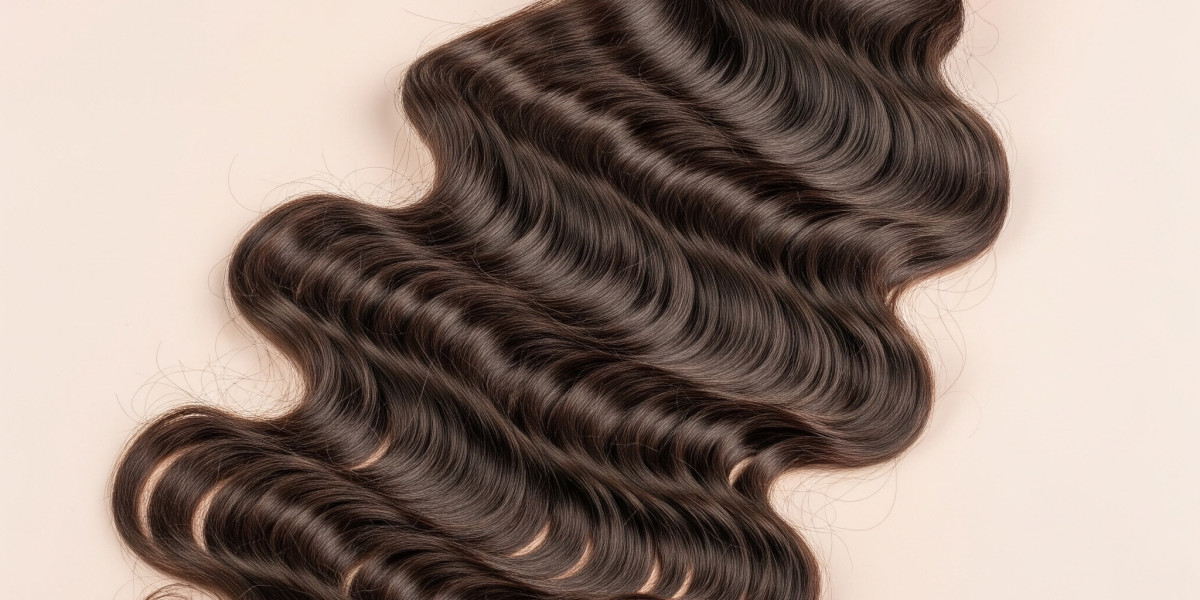

The decision to invest in Raw Indian Hair is typically driven by one core desire: quality. You choose raw hair because it’s the purest, strongest, and most durable hair available. But for many, buying high-quality hair is just the first step the real goal is customization. The question then becomes: Can this premium hair withstand the harsh processes of coloring and bleaching without losing the texture and luster you paid for?
This is a valid concern. We’ve all seen low-quality hair that turns into a brittle, tangled mess after a single bleaching session. However, the answer for genuine Raw Indian Hair is a resounding yes, provided you understand why it can handle the process and how to do it correctly.
Raw Indian Hair, due to its untouched structure and aligned cuticles, possesses a resilience that makes it the industry's gold standard for customization, allowing it to be safely colored, lifted, and bleached often to level 613 (platinum blonde) with minimal loss of its natural texture and integrity.
Let’s break down the science behind this resilience and the essential steps to ensure a safe transformation.
1. The Science of Resilience: Intact Cuticles
The ability of Raw Indian Hair to endure chemical processing without turning dry or brittle lies entirely in its structure: the intact cuticle layer.
The Cuticle Shield
The cuticle is the hair’s outermost layer, made up of tiny, overlapping scales, much like the shingles on a roof.
Raw Hair: Because raw hair is unprocessed and ethically sourced (temple-sourced), the cuticles are aligned, healthy, and completely intact. This layer acts as a protective shield, locking in moisture and maintaining the hair’s structural integrity.
Processed Hair (Virgin Hair): Most hair sold as "virgin" has been through some form of acid bath or silicone coating to strip and smooth the cuticle layer. This makes the hair look great initially, but leaves the inner cortex exposed and vulnerable to damage.
How Bleaching Works
Bleaching requires an alkaline substance to open the cuticle layer so that the developer can enter the hair shaft and lift the natural pigment (melanin).
When the cuticles are intact (as in Raw Indian Hair), they open efficiently when exposed to developer and close back down when neutralized. This controlled process prevents excessive damage to the delicate inner cortex, meaning the hair can reach light levels without becoming permanently frayed, overly porous, or losing its natural wave pattern.
2. Maintaining Texture: The Hydration Factor
The "loss of texture" after bleaching is usually the result of excessive moisture depletion. When the cuticle is damaged, the hair cannot retain water, leading to a loss of elasticity, definition, and shine.
Raw Hair Retains Moisture
Since the cuticle layer in Raw Indian Hair is strong, the hair can retain more of its natural protein and moisture during the coloring process compared to processed hair.
Less Frizz, More Definition: This ability to hold onto moisture is what ensures that a raw wave or curl pattern returns after washing and conditioning. The curl might relax slightly (as any bleached hair does), but it will not become a frizzy, undefined mess. Instead, the texture will remain strong and defined, holding its original body and bounce.
The Post-Coloring Care is Key: Even with raw hair, the cuticle is stressed after lifting. Immediate deep conditioning is necessary to replenish moisture and smooth the cuticle back down, locking the color in and maintaining the texture.
3. The Rules for Safe Bleaching and Coloring
To achieve a flawless, safe color transformation with Raw Indian Hair, you must follow professional rules designed to protect the hair’s structure.
A. Use a Professional Stylist
This is non-negotiable, especially for lifting to high levels (like honey blonde or platinum). A professional stylist understands:
Low and Slow: The stylist should use a low volume developer (e.g., 20 volume) and process the color slowly, often requiring multiple sessions. This minimizes the shock to the hair and allows the color to lift evenly, preserving the hair’s strength. Rushing the process with high-volume developer (e.g., 40 volume) guarantees irreparable damage, regardless of hair quality.
Even Application: They can ensure the color is applied evenly, which is crucial for achieving a uniform shade and preventing "hot spots" where the hair becomes brittle.
B. Use High-Quality Products
The chemicals you use matter just as much as the technique.
Avoid Box Dyes: Never use harsh box dyes. Invest in professional-grade color and developer.
Bond Builders: Insist on using bond-building treatments (such as Olaplex or similar products) throughout the bleaching process. These products actively repair and rebuild the hair’s internal structure while the chemical process is happening, significantly mitigating damage and preserving texture.
C. Never Over-Process
Raw Indian Hair, while durable, has a limit.
Listen to the Hair: The stylist must constantly monitor the hair's elasticity. If the hair starts to feel gummy or rubbery, the process must be stopped immediately. True Raw Indian Hair should never reach this point if done correctly.
Stop at Golden: If aiming for platinum (613), the hair should be lifted to a pale yellow (level 9 or 10) before toning. Do not leave the bleach on longer than necessary, as the toner will do the rest of the work.
Conclusion: The Investment Pays Off
The core advantage of buying premium Raw Indian Hair is its ability to be treated like your own bio hair. It can be safely lifted, colored, and toned because its natural, untouched structure—specifically, the intact cuticle layer provides a protective barrier against chemical processes.
If your Raw Indian Hair is handled with professional care—using bond builders, low-volume developers, and a patient, slow process you can achieve virtually any color imaginable while retaining the gorgeous body, minimal shedding, and defined texture that made you choose raw hair in the first place.
This versatility confirms that while Raw Indian Hair may be a higher initial investment, its resilience makes it the most cost-effective and creatively flexible option for anyone looking for the ultimate hair transformation.