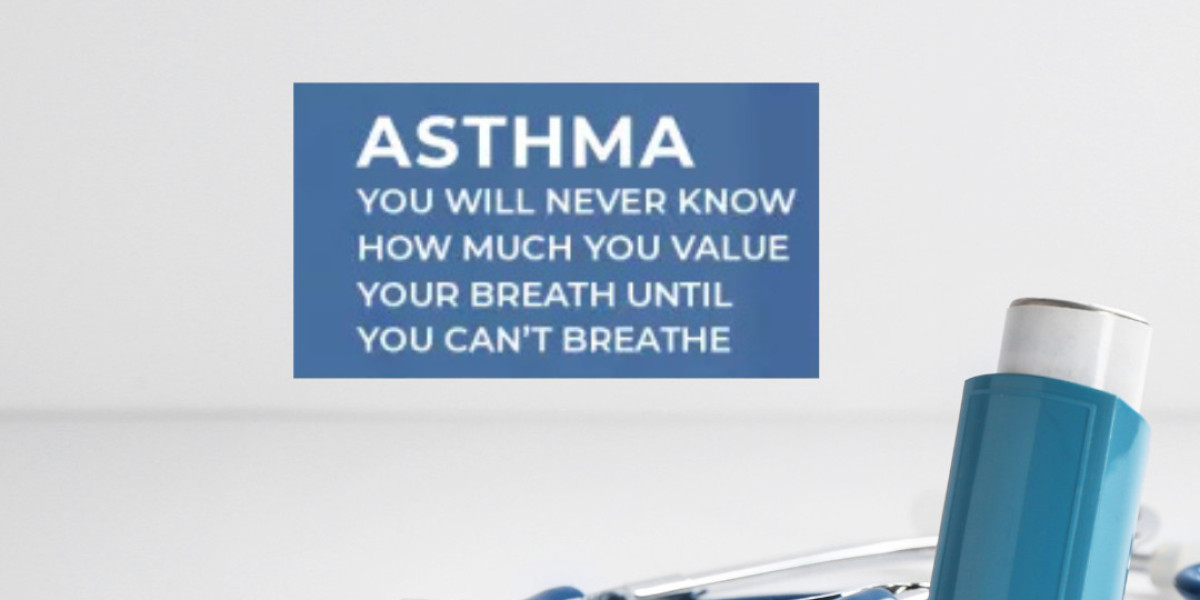

Asthma is one of the most common chronic lung conditions in the world, yet many people still misunderstand how it works and how it should be managed. It affects people of all ages and can range from mild breathing discomfort to severe, life-threatening flare-ups. This article provides a comprehensive understanding of asthma—from what happens inside the lungs to how individuals can control symptoms and live a normal, active life.
How Asthma Affects the Lungs
Inside the lungs are tiny air passages that carry oxygen in and carbon dioxide out. In an asthma patient, these air passages become extremely sensitive. When triggered, the muscles around the airways tighten, the lining swells, and thick mucus forms. Together, this narrows the airway and restricts airflow, making breathing difficult.
Why Do People Develop Asthma?
There is no single reason why someone develops asthma, but several influences increase the chance:
1. Family History
If one or both parents have asthma or strong allergies, the child is more likely to develop it.
2. Environment During Childhood
Exposure to air pollution, cigarette smoke, or chemical fumes early in life can weaken developing lungs.
3. Immune System Response
Some people have an overly sensitive immune system that reacts strongly to harmless things such as pollen, dust, or pet hair.
4. Occupational Exposure
Adults working in environments with chemicals, paints, or industrial dust may develop asthma later in life.
Recognizing Asthma Symptoms
Symptoms often come and go, but the most common ones include:
Difficulty breathing, especially at night
Tightness or pressure in the chest
Coughing during exercise or cold weather
Wheezing when exhaling
Some people may experience symptoms only during exercise, while others face flare-ups due to allergens or stress.
Major Asthma Triggers
Triggers vary from person to person, but common ones include:
Air pollution and smoke
Dust mites and mold
Pets with fur
Cold air or sudden weather changes
Strong scents (perfumes, cleaning sprays)
Stress and anxiety
Identifying personal triggers is an important step in preventing asthma attacks.
Diagnosis and Medical Evaluation
Doctors diagnose asthma by asking about symptoms and using lung function tests. These tests measure how much air a person can breathe in and out, and how quickly the lungs respond to medication. In some cases, allergy tests are also recommended.
Treatment Options
Asthma treatment usually includes two categories of medication:
1. Quick-Relief Inhalers
Also called rescue inhalers, they relax the muscles around the airways and provide instant relief during an attack.
2. Long-Term Control Medicines
These help reduce inflammation and prevent symptoms. They may include inhaled steroids or combination inhalers.
A personalized asthma action plan created with a doctor helps patients know what to do daily and in emergencies.
Living with Asthma
With proper management, people with asthma can live normal lives. Regular exercise (with precautions), a clean living environment, stress management, and routine checkups all make a huge difference. The goal is not just to treat attacks but to prevent them altogether.
Conclusion
Asthma may be a lifelong condition, but it doesn’t have to limit a person’s lifestyle. Understanding triggers, using medication correctly, and staying informed empowers individuals to take control of their respiratory health.