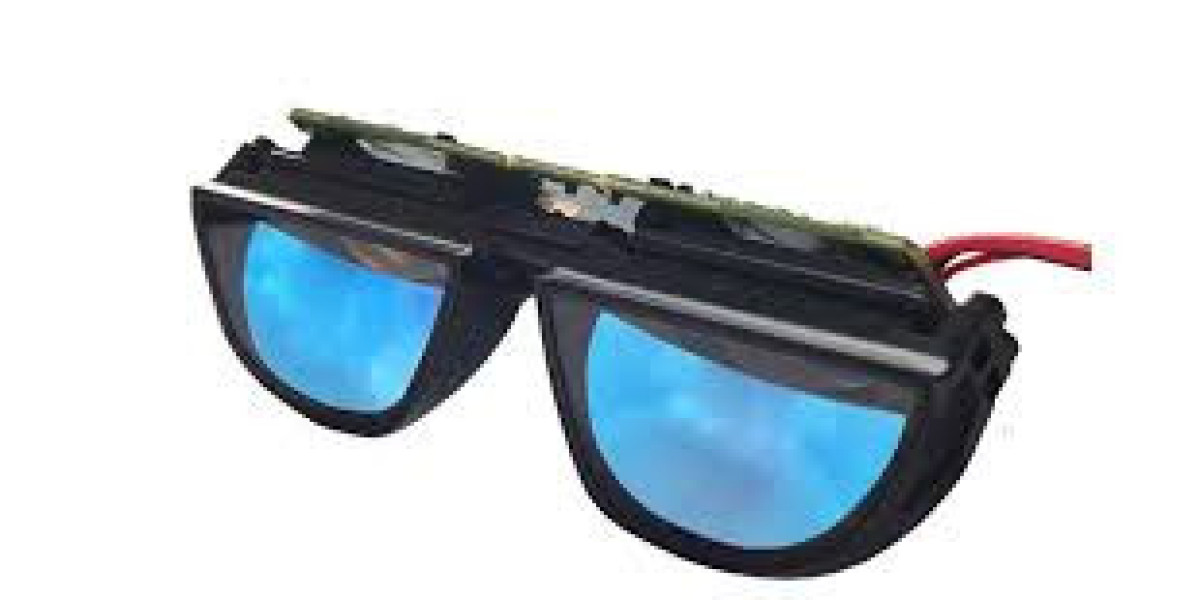

Modern AR headsets promise immersive visuals, but many users still face distortion, low brightness, and eye strain. These issues are not only frustrating—they limit how long someone can comfortably use AR devices. If you are designing AR wearables, building a consumer headset, or creating enterprise-grade smart glasses, choosing the wrong optical module can destroy your entire experience.
This is where a becomes a practical and reliable solution for delivering sharp, bright, and stable visuals without increasing device bulk.
Understanding What a Bird Bath Optical Module Actually Does
A bird bath optical module uses a unique optical architecture combining beam splitters, reflective surfaces, and magnification elements to create a crisp virtual image projected into the user’s field of view. It is called “bird bath” because its shape resembles a curved reflective dish.
The module enhances image clarity by expanding the eye box and stabilizing visuals. Instead of struggling with uneven brightness or vibration-sensitive displays, engineers get consistent, high-contrast results. This makes the bird bath optical module ideal for AR smart glasses, training systems, and lightweight wearable displays.
Big Pain Points in AR and How Bird Bath Modules Solve Them
1. Poor Visual Clarity in Compact Devices
Many AR wearables become blurry when trying to keep the design compact. Components sit too close, and light paths collapse.
A bird bath module maintains long optical paths inside a small physical size. The result is sharper text, cleaner icons, and better readability in real-world environments.
2. Eye Strain From Distorted Images
Distortion happens when lenses bend light unevenly. Over time, this causes headaches and eye fatigue.
Bird bath optics reduce distortion by balancing magnification across the entire viewing area. Users enjoy longer, more comfortable sessions—whether working in industrial AR or gaming.
3. Low Brightness in Outdoor Environments
Direct sunlight often washes out basic AR displays.
Bird bath modules improve brightness efficiency by reflecting and guiding light with minimal loss. Even outdoor conditions remain manageable without increasing power consumption.
4. Increased Device Weight
AR manufacturers often struggle to add features without making headsets bulky.
A bird bath optical module allows a lightweight structure because it eliminates unnecessary lens layers. This keeps glasses slim while still supporting image quality suitable for enterprise-grade tasks.
Why AR Engineers Prefer Bird Bath Modules
Easy Integration With Existing Displays
Most manufacturers can pair the module with micro-OLED, LCoS, or micro-LED screens without redesigning the whole device.
High Optical Efficiency
Compared to other optical architectures, bird bath modules waste less light, which directly enhances brightness without draining the battery.
Cost-Effective for Mass Production
The design is simpler than waveguide or holographic modules, making it more suitable for mid-range or commercial AR wearables.
Where Bird Bath Modules Are Commonly Used
Industrial AR glasses
Training and simulation devices
Smart helmets
Medical wearable displays
Consumer AR headsets
Conclusion
If your AR display suffers from blur, low brightness, or user discomfort, the bird bath optical module is one of the most effective hardware-level solutions available today. It delivers stable visuals, reduces distortion, and supports long-term comfort—all while keeping devices lightweight. For anyone designing next-generation AR glasses or commercial wearables, adopting this optical technology is a practical way to upgrade visual quality without increasing cost or complexity.