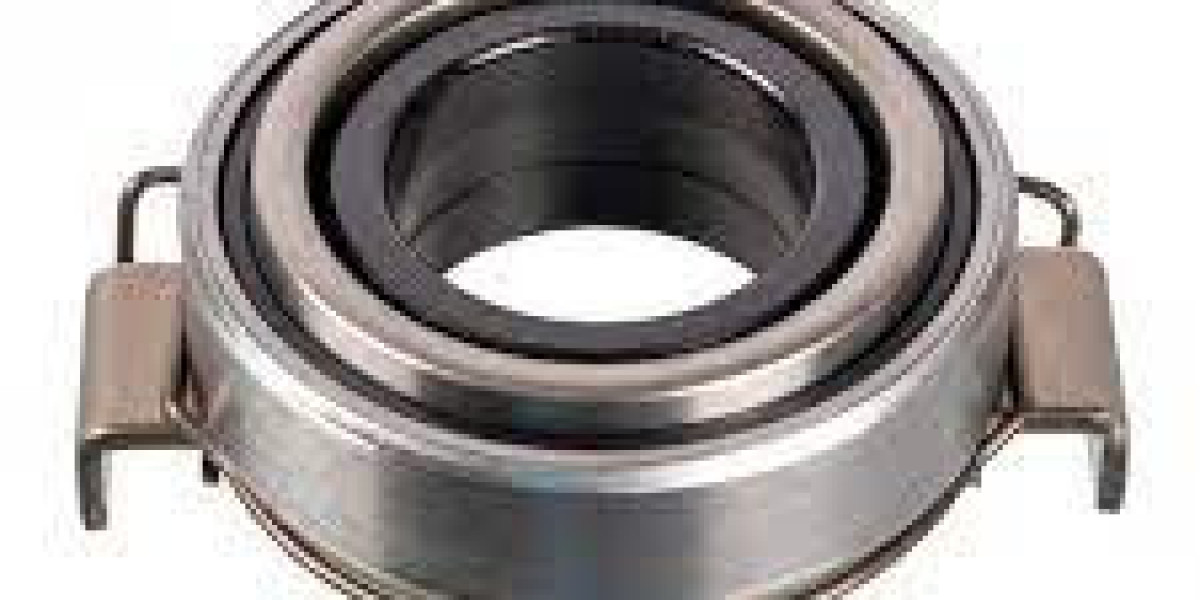

A smooth gear-shifting experience is something every driver expects, yet many overlook one of the most crucial components behind it—the clutch release bearing. When this part starts wearing out, the symptoms don’t just inconvenience you; they can quickly escalate into expensive transmission repairs. For vehicle owners who depend on daily reliability, understanding the danger of a neglected bearing is essential.
Why Drivers Should Not Ignore Early Warning Signs
The clutch system works under constant pressure. Over time, friction, heat, and mechanical load gradually degrade components. Among these, the clutch release bearing is usually the first to show signs of stress.
Common Pain Points Drivers Experience
Grinding or rumbling sounds when pressing the clutch pedal
Stiff or shaky pedal response
Difficulty shifting gears smoothly
A burning smell, especially in traffic or uphill driving
Most of these issues come suddenly, catching drivers off guard. By the time symptoms are noticeable, the bearing may have already reached critical wear—and ignoring it can cause damage to the pressure plate, clutch disc, or even the transmission input shaft.
How a Faulty Bearing Impacts Your Driving Safety
A deteriorating bearing doesn’t just create noise or vibration; it compromises the clutch’s ability to fully disengage. This leads to:
Gear grinding
Sudden jerks when shifting
Increased strain on the entire clutch assembly
In severe cases, the bearing can seize completely, leaving you unable to change gears—sometimes in the middle of traffic. This is why choosing a high-quality clutch release bearing is crucial for vehicle dependability and personal safety.
What Causes Premature Bearing Failure?
1. Low-quality aftermarket components
Cheap bearings lack proper heat resistance and durability. They tend to fail early and cause more damage in the long run.
2. Aggressive driving habits
Riding the clutch, carrying heavy loads, and frequent stop-and-go driving accelerate wear.
3. Poor lubrication or contamination
Dirt or insufficient grease inside the bearing significantly increases friction.
4. Misalignment during installation
Even a small alignment error can result in constant uneven pressure on the bearing.
How the Right Bearing Saves You from Major Repairs
Replacing a clutch is expensive—labor alone can cost more than the part. However, investing in a premium clutch release bearing prevents many of these issues before they happen.
Key Benefits of Using a High-Quality Bearing
Longer lifespan under high-pressure conditions
Silent and smooth clutch operation
Reduced transmission stress
Better overall driving comfort
Lower long-term maintenance costs
By choosing a reliable component from a trusted source, drivers avoid unnecessary breakdowns and enjoy consistent performance.
Final Thoughts
The clutch system is one of the most essential elements in any manual-transmission vehicle. A failing bearing often goes unnoticed until it causes irreversible damage. Paying attention to early signs and choosing a durable, precision-engineered bearing ensures your vehicle operates smoothly and safely.
Investing in the right part today saves you from frustrating mechanical issues tomorrow. If you want reliability, reduced noise, and long-lasting performance, make sure the clutch system is equipped with a top-quality component that can withstand real-world driving demands.