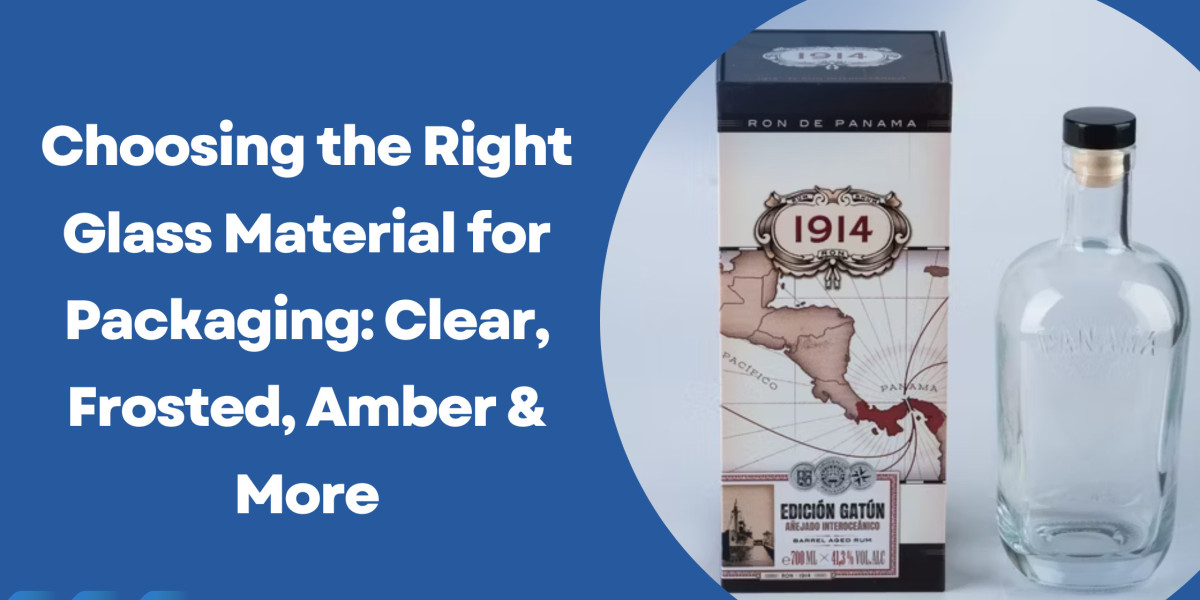

When it comes to product packaging, the material you choose can define your brand’s identity, protect your product, and influence purchasing decisions. Among all packaging materials, Custom Glass Packaging stands out as one of the most premium, sustainable, and versatile options. From cosmetics and skincare to food, beverages, and pharmaceuticals — glass packaging continues to dominate due to its durability, safety, and aesthetic appeal.
But with so many glass types—clear, frosted, amber, green, cobalt, and opaque—how do you choose the right one?
This guide breaks down everything you need to know about the most popular types of glass packaging and how each one can elevate your products.
1. Clear Glass Packaging: The Most Popular Choice
Clear glass is the most commonly used material across industries, offering maximum product visibility.
Benefits of Clear Glass
Showcases the product — ideal for items where appearance matters, such as juices, oils, cosmetics, honey, or herbs.
Premium look — transparency enhances trust and boosts shelf appeal.
Compatible with any label or printing — works well with minimalistic, luxury, or bold branding styles.
Best For:
Cosmetics & skincare (serums, toners)
Food (sauces, honey, spices)
Beverages (juices, kombucha)
Candles
When to Choose Clear Glass
If your product’s color, texture, or clarity is a strong selling point, clear glass is the perfect choice.
2. Frosted Glass: For Luxury & Minimalist Branding
Frosted glass is created by sandblasting or acid-etching clear glass to produce a soft matte finish.
Benefits of Frosted Glass
High-end, elegant appearance — commonly used for luxury cosmetics and perfumes.
Hides fingerprints and smudges — keeps packaging looking cleaner on shelves.
UV resistance — provides slight protection from sunlight.
Best For:
High-end skincare (serums, creams, essential oils)
Perfumes
Premium candle jars
When to Choose Frosted Glass
Use frosted glass when you want a luxurious, modern, and minimalistic feel without hiding the product completely.
3. Amber Glass: Ideal for Light-Sensitive Products
Amber (brown) glass provides some of the best UV protection among all packaging materials, making it perfect for sensitive formulations.
Benefits of Amber Glass
Blocks harmful UV rays — protects ingredients from chemical degradation.
Eco-friendly — often made with recycled materials.
Recognized in medical and natural product packaging — builds customer trust.
Best For:
Essential oils
Herbal extracts
Pharmaceuticals
Organic skincare products
When to Choose Amber Glass
Choose amber glass if your product contains natural ingredients, oils, or chemicals that must be shielded from sunlight.
4. Green Glass: Aesthetic Appeal with Light Protection
Green glass combines visual beauty with moderate UV protection. It is widely used in beverages and gourmet products.
Benefits of Green Glass
Premium and eye-catching — helps products stand out.
Better light protection than clear glass.
Widely associated with freshness — especially in drinks.
Best For:
Olive oils
Beverages (wine, beer)
Herbal liquids
When to Choose Green Glass
If you want a natural, organic, or premium look with partial light protection, green glass is a strong option.
5. Cobalt Blue Glass: Stylish & Unique Packaging
Cobalt (royal blue) glass is often used by brands that want to highlight uniqueness and elegance.
Benefits of Cobalt Blue Glass
Highly distinctive — boosts brand recognition and shelf visibility.
Good UV protection — similar to amber but more visually appealing.
Gives products a luxurious feel.
Best For:
Cosmetics (serums, lotions, oils)
Aromatherapy products
High-end beverages
Niche fragrances
When to Choose Cobalt Blue Glass
Pick cobalt blue when you want your product to stand out and convey creativity, boldness, or luxury.
6. Opaque or Black Glass: Maximum UV Protection
Black or opaque glass provides total protection from light and offers a sleek, premium look.
Benefits of Black Glass
Complete UV protection — perfect for highly sensitive ingredients.
Ultra-premium appearance — associated with high-end skincare.
Enhances product freshness and longevity.
Best For:
Anti-aging serums
Organic skincare
Pharmaceutical-grade products
Light-sensitive herbal tinctures
When to Choose Opaque Glass
If your formulation is extremely sensitive to light or your brand focuses on luxury, opaque black glass is ideal.
How to Choose the Right Glass Material
Here’s a quick guide:
| Product Type | Recommended Glass |
|---|---|
| Essential oils | Amber or Black Glass |
| Premium skincare | Frosted or Cobalt Blue |
| Beverages | Clear or Green |
| Medicinal liquids | Amber |
| Perfumes | Clear, Frosted, or Cobalt |
| Natural food items | Clear, Amber, or Green |
Why Glass Packaging Is Loved by Brands
Regardless of the finish, glass packaging offers universal advantages:
Eco-friendly and recyclable
Non-toxic and chemical-free
Premium and high-value appearance
Durable and temperature-resistant
Compatible with high-end printing and labeling
Choosing the right type of glass material ensures your product stands out, stays safe, and delivers the best experience to your customers.