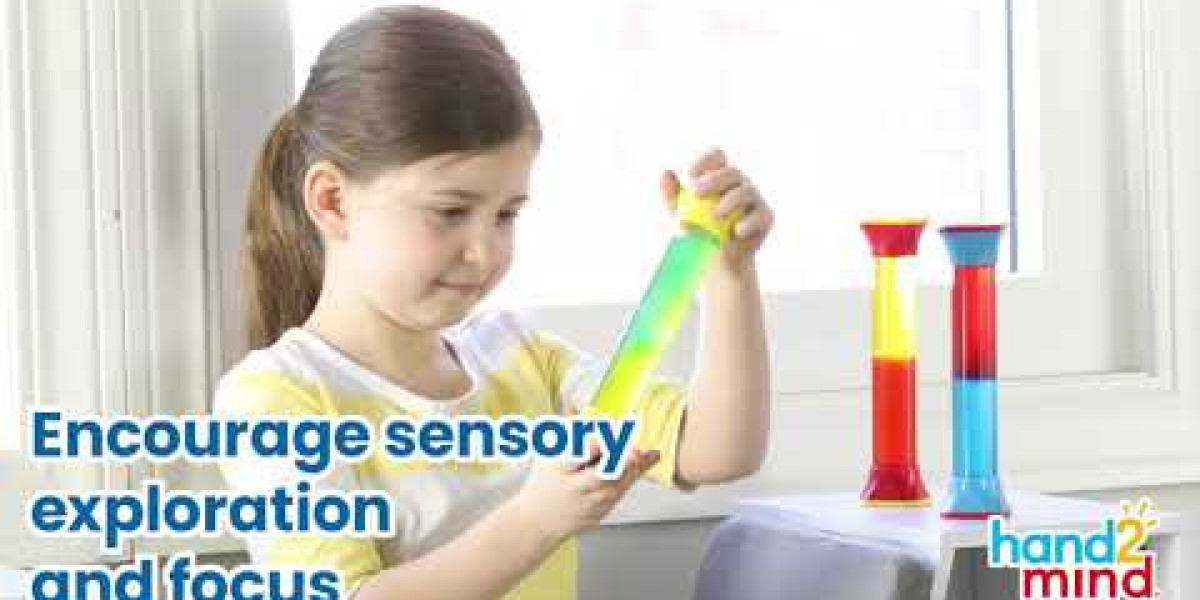

Early childhood is a critical stage for growth and development. During these formative years, children learn about the world primarily through their senses. Touching, seeing, hearing, tasting, and smelling help them understand how things work. Sensory exploration plays a vital role in shaping a child’s cognitive, emotional, and physical development.
In environments that focus on toddler age group childcare, sensory experiences are carefully designed to help young children explore, learn, and develop important life skills. By engaging multiple senses, children strengthen their ability to observe, problem-solve, and express creativity.
This article explores the importance of sensory exploration in early learning and how it benefits toddlers in childcare settings.
What Is Sensory Exploration?
Sensory exploration refers to activities that stimulate a child’s five senses. Through sensory experiences, toddlers interact with their environment and gain a deeper understanding of the world around them.
These experiences may include:
Feeling different textures such as sand, water, or clay
Listening to music or nature sounds
Observing colors, shapes, and movement
Smelling flowers or food items
Tasting safe and age-appropriate foods
In toddler age group childcare, sensory activities are incorporated into daily routines to encourage curiosity and discovery.
Why Sensory Exploration Matters in Early Learning
Young children learn best through hands-on experiences. Sensory play helps toddlers process information and make connections between what they see, feel, and hear.
Key benefits include:
Enhances brain development
Builds problem-solving skills
Encourages creativity and imagination
Strengthens motor skills
Improves focus and concentration
When toddlers actively explore their surroundings, they develop confidence in their ability to learn and interact with the world.
Supporting Brain Development Through Sensory Play
The early years are a time of rapid brain growth. Each new sensory experience helps build neural connections that support learning and memory.
For example:
Touching different textures helps the brain understand sensory differences.
Listening to music improves auditory processing.
Exploring colors and shapes supports visual development.
High-quality toddler age group childcare programs use sensory-based activities to stimulate brain development and encourage active learning.
Building Fine and Gross Motor Skills
Sensory activities often involve movement and physical interaction with materials. These activities help strengthen both fine and gross motor skills.
Fine Motor Skills
Fine motor skills involve small muscle movements, particularly in the hands and fingers.
Examples include:
Picking up small objects
Playing with clay or dough
Pouring water between containers
Painting with brushes or fingers
Gross Motor Skills
Gross motor skills involve larger movements such as running, jumping, or balancing.
Examples include:
Walking on textured surfaces
Climbing soft play equipment
Dancing to music
Playing with balls
In toddler age group childcare, these activities help toddlers gain better control over their movements while having fun.
Encouraging Language Development
Sensory exploration also supports language growth. When toddlers engage with different materials, caregivers and educators often describe what the child is experiencing.
For example:
“The sand feels soft.”
“The water is cold.”
“The flower smells nice.”
These simple conversations introduce new vocabulary and help children associate words with sensory experiences.
Over time, toddlers begin to express their own observations, which strengthens communication skills.
Developing Problem-Solving Skills
Sensory activities naturally encourage experimentation and curiosity. When toddlers explore different materials, they learn to ask questions and find answers.
For instance:
What happens when water is poured into sand?
Can blocks balance on top of each other?
What sound does this object make?
Through trial and error, children develop early problem-solving abilities. Structured environments in toddler age group childcare support these discoveries while ensuring safety.
Boosting Creativity and Imagination
Sensory play allows children to use their imagination freely. Open-ended materials such as sand, water, clay, and paint can be used in countless ways.
Examples of creative sensory activities include:
Building sand structures
Finger painting colorful designs
Creating shapes with play dough
Mixing colors with water
These experiences help toddlers think creatively and explore new ideas without strict rules or limitations.
Supporting Emotional Development
Sensory activities can also have a calming effect on young children. Activities like playing with sand, water, or soft materials can help toddlers relax and regulate their emotions.
For example:
Pouring water slowly can create a soothing rhythm.
Squishing play dough can release tension.
Listening to gentle music promotes calmness.
In raymond terrace early education centre, these activities are often used to create a peaceful learning environment where children feel safe and comfortable.
Examples of Sensory Activities for Toddlers
Many simple activities can support sensory exploration in early learning environments.
Water Play
Water play is a favorite sensory activity among toddlers.
Children can:
Pour water into different containers
Float small toys
Splash and explore movement
This activity teaches basic concepts such as volume, movement, and cause and effect.
Sand Play
Sand provides a unique texture that encourages exploration.
Toddlers can:
Dig and scoop sand
Build small sand shapes
Hide objects and search for them
These activities strengthen hand muscles and encourage creat