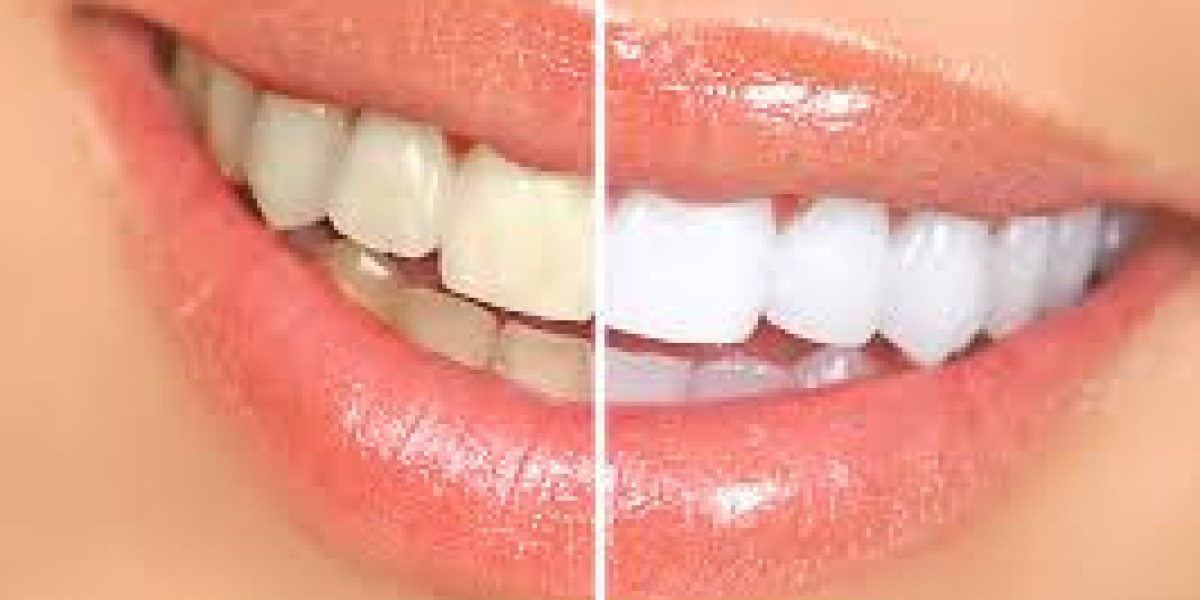

A bright, white smile is often associated with confidence, good health, and strong personal hygiene. Over time, however, teeth naturally become stained or discolored due to factors such as diet, aging, smoking, and poor oral hygiene. Many people turn to teeth whitening to restore their smile—but doing it incorrectly can damage enamel, increase tooth sensitivity, and harm overall dental health.
The key to whitening teeth safely is understanding what causes discoloration and choosing methods that brighten your smile without weakening the protective enamel layer. This guide explains how to whiten your teeth effectively while keeping your enamel strong and healthy.
Understanding Tooth Enamel
Before discussing whitening methods, it’s important to understand the role of enamel. Enamel is the hard, outer layer that protects your teeth from decay and damage. Although it is the strongest substance in the human body, enamel cannot regenerate once it is worn away.
Many aggressive whitening techniques—especially DIY or viral “hacks”—can erode enamel over time. When enamel becomes thin, teeth may appear more yellow because the dentin layer beneath becomes more visible. This is why safe whitening methods must focus on stain removal rather than enamel erosion.
Common Causes of Tooth Discoloration
Teeth can become stained for several reasons. Understanding the cause helps you choose the safest whitening approach.
1. Food and Drinks
Dark-colored beverages and foods are among the most common culprits. These include:
Coffee
Tea
Red wine
Soda
Berries
Soy sauce
These items contain pigments called chromogens that attach to tooth enamel and cause staining.
2. Smoking and Tobacco
Nicotine and tar in tobacco products leave stubborn yellow or brown stains on teeth.
3. Aging
As people age, enamel gradually wears down, exposing the naturally yellow dentin underneath.
4. Poor Oral Hygiene
Inadequate brushing and flossing allow plaque and stains to build up on teeth.
5. Medications
Certain antibiotics and medical treatments can cause internal tooth discoloration.
Safe Teeth Whitening Methods
Not all whitening methods are created equal. Some are safe when used correctly, while others can harm enamel if misused.
1. Professional Dental Whitening
The safest and most effective whitening option is treatment performed by a dentist. Professional whitening procedures use controlled concentrations of bleaching agents such as hydrogen peroxide or carbamide peroxide.
Benefits include:
Faster results
Reduced risk of enamel damage
Professional supervision
Even whitening
Dentists may offer in-office whitening or custom take-home trays that fit your teeth precisely, ensuring safe application.
2. Dentist-Approved Whitening Strips
Over-the-counter whitening strips can be effective if they contain safe peroxide levels and are used according to instructions.
Tips for safe use:
Follow the recommended duration and frequency.
Avoid leaving strips on longer than instructed.
Do not use them continuously for months.
Excessive use can lead to enamel weakening and tooth sensitivity.
3. Whitening Toothpaste
Whitening toothpastes are one of the safest options because they typically contain mild abrasives or small amounts of peroxide that help remove surface stains.
Look for toothpaste that:
Has dental association approval
Uses gentle polishing agents
Is designed for daily use
However, whitening toothpaste mainly removes surface stains, so results are gradual.
4. Oil Pulling
Oil pulling is an ancient oral hygiene practice that involves swishing oil—usually coconut oil—in the mouth for 10–15 minutes.
Possible benefits include:
Reducing plaque
Improving oral hygiene
Slight stain reduction
While oil pulling won’t dramatically whiten teeth, it is generally safe and may contribute to a healthier smile.
5. Baking Soda (Used Sparingly)
Baking soda is a mild abrasive that can help remove surface stains. Many whitening toothpastes include small amounts of it.
If using baking soda at home:
Use it only occasionally
Avoid aggressive scrubbing
Mix with toothpaste rather than water alone
Overuse can wear down enamel due to its abrasive nature.
Whitening Methods to Avoid
Many popular internet remedies can actually damage enamel and worsen discoloration.
1. Lemon Juice or Vinegar
Acidic substances such as lemon juice, apple cider vinegar, or other citrus solutions may appear to whiten teeth temporarily. However, these acids erode enamel, leading to long-term damage and sensitivity.
2. Activated Charcoal
Charcoal toothpaste has become trendy on social media. While it may remove some surface stains, its abrasive texture can gradually wear down enamel.
There is limited scientific evidence supporting its long-term safety.
3. Hydrogen Peroxide Misuse
Although hydrogen peroxide is used in professional whitening treatments, high concentrations or frequent home use can irritate gums and damage enamel.
Always follow safe guidelines and avoid experimenting with strong peroxide mixtures.
Tips to Maintain a Whiter Smile
Whitening treatments work best when combined with good daily habits. These practices help maintain results while protecting enamel.
Brush Twice Daily
Use fluoride toothpaste and brush for at least two minutes twice a day.
Floss Regularly
Flossing removes plaque and stains between teeth where brushing cannot reach.
Drink Water After Staining Foods
Rinsing your mouth with water after coffee, tea, or wine helps reduce staining.
Use a Straw
When drinking dark beverages, using a straw reduces direct contact with teeth.
Limit Sugary and Acidic Foods
Frequent exposure to sugar and acids can weaken enamel and increase discoloration.
Managing Tooth Sensitivity During Whitening
Some people experience temporary sensitivity during whitening treatments. This occurs when whitening agents penetrate enamel and affect the nerve inside the tooth.
To reduce discomfort:
Use toothpaste designed for sensitive teeth.
Take breaks between whitening sessions.
Avoid extremely hot or cold foods.
Consult a dentist if sensitivity persists.
Sensitivity usually disappears within a few days after stopping treatment.
When to Consult a Dentist
Not all discoloration can be treated with whitening products. Some stains originate inside the tooth and require professional treatment.
Consult a dentist if you notice:
Gray or blue tooth discoloration
Severe stains that do not respond to whitening
Persistent sensitivity or pain
Uneven tooth color
A dentist may recommend treatments such as bonding, veneers, or professional whitening procedures.
The Bottom Line
Achieving a brighter smile doesn’t have to come at the expense of your dental health. Safe Teeth whitening focuses on removing stains while preserving enamel—the protective layer that keeps teeth strong.
The most reliable approach is professional dental guidance combined with gentle at-home care. Avoid harsh DIY methods, follow product instructions carefully, and maintain consistent oral hygiene habits.
By taking a cautious and informed approach, you can enjoy a whiter smile while keeping your teeth healthy for years to come.