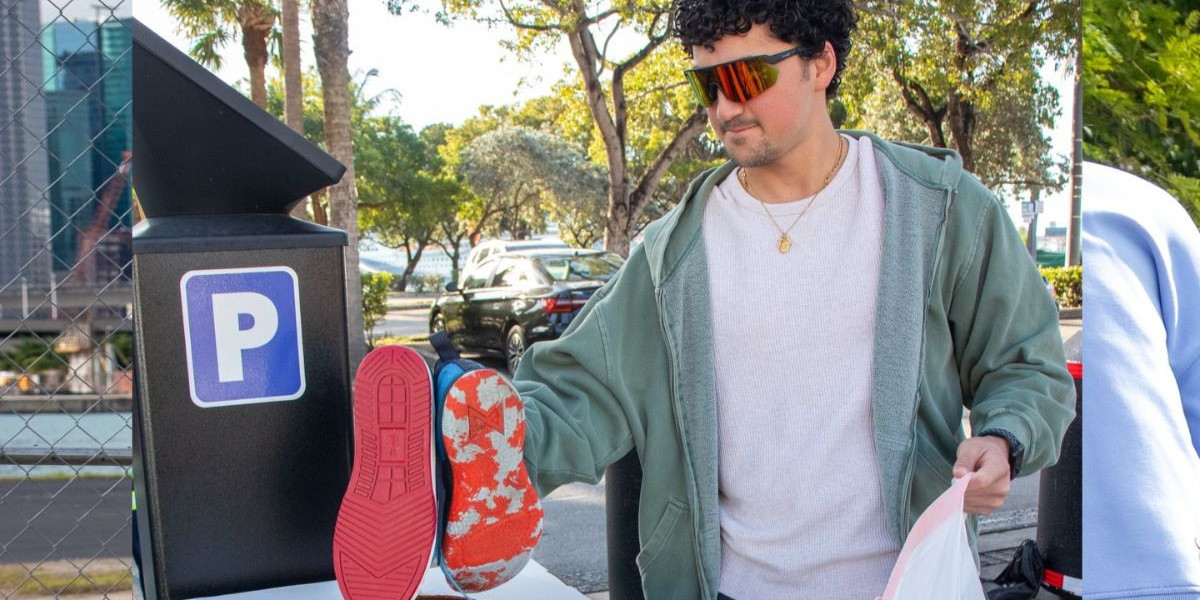

Sneakers rarely wear out all at once. Soles thin down. Insoles flatten. Laces fray. Yet millions of pairs end up in landfills long before their true lifespan is over. Learning how to reuse sneakers changes that pattern. It keeps materials in circulation, reduces waste, and stretches every dollar spent on footwear. A thoughtful approach can turn worn-out pairs into practical assets rather than trash.
When "Worn Out" Isn't the End
Most sneakers fail in one area, not all of them. A cracked outsole doesn't mean the upper is useless. Faded fabric doesn't erase structural support. Simple fixes often cost less than buying new:
Replace insoles for renewed cushioning
Swap laces to restore fit and appearance
Patch mesh tears before they spread
Add sole protectors to extend tread life
These small adjustments help reuse sneakers in their original role for months longer. That delay alone reduces repeat purchases and lowers overall spending.
Repurpose with Intention, Not Impulse
When performance declines, function can shift. Athletic shoes can become yard shoes, travel beaters, or gym backups. Rotating pairs reduces pressure on any single shoe and slows material breakdown. Some owners also convert retired sneakers into:
Slip-on workshop shoes
Gardening footwear
Short-distance walking pairs
Extending utility in this way keeps products active instead of idle. It also builds a mindset of reusing sneakers before they need replacement, making replacement automatic.
Donation and Redistribution That Actually Works
Not every pair of shoes belongs in a closet. Many communities lack access to quality footwear. Organizations like Sneaker Impact collect gently worn shoes and redistribute them through structured networks. They sort, grade, and route the shoes to markets with demand.
This system facilitates the reuse of sneakers at scale. It helps divert waste from landfills, supports micro-enterprises, and provides affordable access to footwear abroad. The economic value of a donated pair does not disappear; it simply shifts to a different location.
In a Nutshell
Choosing to reuse sneakers reduces waste and cuts long-term costs. Minor repairs, smart repurposing, and responsible redistribution keep shoes working far beyond their first season. That simple shift answers the opening question: waste drops when habits change.
Footwear consumption continues to rise globally. Small decisions matter within that cycle. Extending a shoe's life supports tighter budgets and a lighter environmental impact. Consider repairing the next-worn pair or passing it along through structured programs.